

Gregg Heating & AC Repair — Fast Furnace, Boiler & Heat Pump Help
Cold snaps and sudden heating failures create real safety and comfort problems for homes and businesses. Our 24/7 emergency heating repair service gets a trained technician to you quickly to restore heat and reduce risk. Below we explain the most common heating emergencies in Southeastern Wisconsin, quick homeowner checks you can do before we arrive, clear red-flag signs to watch for, and steps that limit damage while you wait. You’ll also find what to expect from our emergency workflow, how our technicians triage and repair on-site, and options like service agreements and financing that ease the cost and delay of urgent repairs. Read on for practical checklists, symptom-to-action tables, and guidance on when to call for 24/7 furnace repair, emergency boiler service, or urgent heat pump repairs in our service area.
Which Heating Emergencies Are Most Common in Southeastern Wisconsin?
A heating emergency is any problem that immediately threatens heat delivery, occupant safety, or the equipment itself. Typical emergencies include total loss of heat, the smell of gas, visible boiler or pipe leaks, and loud mechanical noises. In freezing weather these issues can escalate fast — frozen pipes, carbon monoxide exposure, and water damage are real risks — so quick assessment and the right actions matter. The list and table below give a compact symptom-to-action reference to use during an urgent event.
In our region you’re most likely to see complete no-heat, weak or intermittent heat, visible leaks from boilers or heat pumps, and persistent pilot or ignition failures. Your immediate focus should be safety, a few basic checks, and calling professional emergency service if red flags appear.
Common heating emergencies and quick homeowner actions:
- No Heat at All: Check the thermostat, circuit breaker, and power to the unit. If those are fine, call for emergency repair.
- Smell of Gas: Leave the building immediately, avoid flipping switches, and call emergency responders and your HVAC provider.
- Water Leaking from Boiler or Pipes: If it’s safe, shut off the water supply to the appliance and request urgent service.
- Loud Banging or Grinding Noises: Turn the system off and arrange emergency diagnostics to prevent further damage.
These quick steps reduce risk while you wait for help and clarify when to request a 24/7 furnace repair or emergency heating technician in Southeastern Wisconsin.
Symptom/action quick-reference:
Use this table for fast decisions during an emergency to keep people safe and preserve equipment until technicians arrive.
How to Identify a Furnace Breakdown or No-Heat Situation
Furnace failures usually show up as total no-heat, short-cycling, or the unit running but blowing cold air. Common causes include thermostat problems, ignition or pilot issues, electrical faults, or severely restricted airflow. Start with a quick checklist: confirm thermostat settings, check the breaker and power, inspect the air filter for heavy buildup, and listen for odd sounds at startup. If those basic checks don’t fix it, avoid running a malfunctioning unit for long — that can damage parts and create safety issues. When in doubt, call for emergency heating repair so technicians can safely diagnose ignition systems, control boards, and safety interlocks.
What Causes Boiler Failures and Heat Pump Malfunctions?
Boiler problems often come from circulator pump failure, pressure control faults, or leaks in valves and piping. Heat pump issues commonly involve refrigerant leaks, reversing valve faults, or electrical control failures that reduce heating capacity. Because these systems mix pressurized fluids, mechanical parts, and electrical controls, they can fail quickly and sometimes pose immediate safety or property risks. Don’t attempt repairs on pumps, pressurized components, or refrigerant circuits yourself — call a qualified technician. Prompt emergency service lowers the chance of frozen pipes and expensive secondary damage.
How Does Gregg Heating & AC Handle 24/7 Emergency Heating Repair?
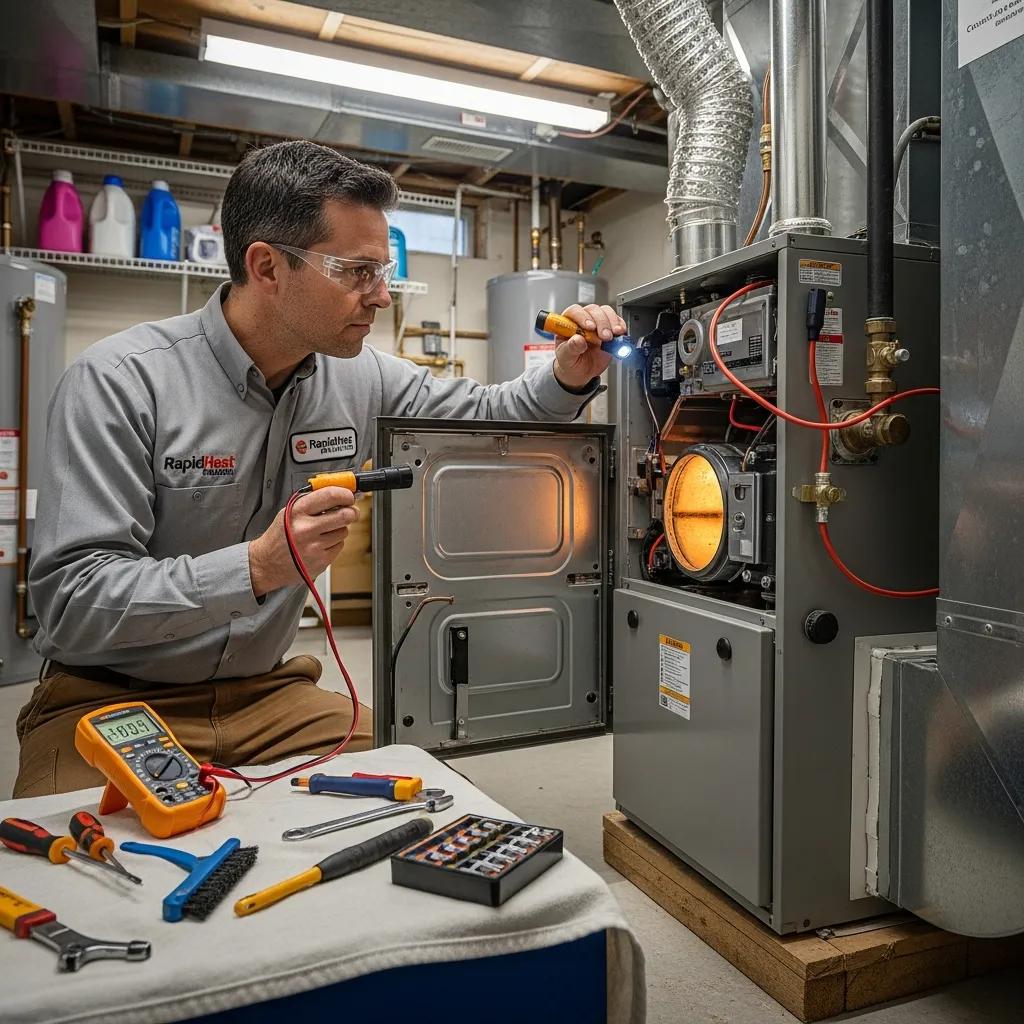
Effective emergency repair depends on fast triage, accurate diagnostics, and technicians who can secure the home and perform safe temporary fixes or complete repairs. Gregg Heating & AC provides round‑the‑clock coverage across Southeastern Wisconsin with trained technicians who prioritize safety and rapid heat restoration. We focus on clear communication from the initial call through completion so you know what we’re doing and why, even during stressful after‑hours situations.
Industry best practices back up the need for a structured emergency response when critical systems are involved.
24/7 Emergency Response & Escalation Procedures
Established response and escalation steps help teams act safely and consistently during urgent situations. Following proven procedures ensures coordinated, timely action when systems are mission‑critical.
Here’s a short table showing what our structured response looks like in practice.
Emergency response process table:
That process helps minimize downtime and improves safety during emergency furnace or boiler repairs. We also provide a free estimate for urgent heating work so you see costs before anything starts.
What Is Our Emergency Response Process for Urgent Heating Repairs?
We begin with phone triage to assess risk and share immediate safety steps, then prioritize dispatch of a trained technician equipped for on‑site diagnosis and emergency repairs. Expect clear questions about symptoms and any signs of gas or leaks so we can follow safety protocols before arrival. On site, technicians check power, control boards, ignition systems, circulator pumps, and refrigerant circuits to determine whether a temporary measure or a full repair is required. We present findings and options before any work begins so you can decide with confidence.
How Do Our Experienced Technicians Handle Furnace, Boiler, and Heat Pump Emergencies?
Gregg Heating & AC’s technicians follow a methodical routine: secure the area, verify safety systems (including carbon monoxide detection if applicable), and run focused diagnostics to identify the root cause. Common emergency fixes include ignition component replacement, circulator pump swaps, and temporary leak containment. Our first priority is restoring safe heat delivery; if a permanent repair can’t be completed immediately, we secure the system and explain next steps and timing. Clear communication reduces repeat calls and keeps your home safe.
What Are the Benefits of Service Agreements and Financing for Emergency Repairs?
Service agreements and financing help remove uncertainty when emergencies happen. Agreements often include priority scheduling, and in some cases reduced or waived overtime fees for covered members, which can lower after‑hours costs. Financing options spread repair costs over time so you can address urgent safety needs without delay. Together these programs speed response, control costs, and reduce stress when a heating system fails.
Comparison of service and financing options:
Check our current special offers for additional savings on repairs and maintenance.
How Do Service Agreements Offer No Overtime Charges and Priority Service?
Service agreements formalize priority response and may include conditions that limit overtime fees for members. That means covered customers often get dispatched before non‑members during busy cold snaps, reducing downtime and cost. Regular plan members also tend to get recommended routine maintenance, which lowers the chance of emergency calls in the first place. Ask about plan details and eligibility so you know exactly what’s covered when you need it most.
What Financing Options Are Available for Unexpected Emergency Repairs?
Financing options let you handle urgent repairs without paying the full amount up front. These plans are offered through trusted partners and typically require a short application and approval during the estimate process so work can start promptly once terms are set. Financing prevents dangerous delays and keeps your home safe and comfortable — speak with our team about available plans during your emergency call.
How Can Homeowners Prevent Heating Emergencies and Prepare for Urgent Repairs?
Preventing emergencies starts with simple homeowner checks plus regular professional maintenance to catch wear before it becomes a break. Key steps include timely filter changes, checking thermostats and batteries, and annual tune‑ups by a qualified technician. A routine inspection of visible components, seasonal carbon monoxide alarm checks, and keeping vents clear will cut the chance of sudden failure and improve efficiency. Having a service agreement and local emergency contacts written down makes responding to a breakdown faster and less stressful.
Essential maintenance tips to reduce emergency risk:
- Replace Filters Regularly: Clean filters keep airflow steady and reduce overheating or short cycling. They also help the system run more efficiently and last longer.
- Check Thermostats and Batteries: Correct settings and fresh batteries avoid false readings and unnecessary runs. Wireless thermostat batteries should be replaced seasonally.
- Keep Vents and Returns Unobstructed: Clear airflow prevents extra strain on fans and heat exchangers. Move furniture and debris away from registers and returns.
Maintenance checklist:
These simple steps lower the chance of a midnight breakdown and help you act quickly if an emergency still occurs.
What Maintenance Tips Reduce the Risk of Heating System Breakdowns?
Basic homeowner maintenance — clean filters, clear vents, confirm thermostat operation, and keep the area around equipment accessible — reduces stress on parts that commonly fail in cold weather. Regular checks let you spot leaks, strange noises, or visible corrosion early so issues can be scheduled rather than emergency repairs. Annual professional tune‑ups complement homeowner care by testing combustion safety, tightening electrical connections, and checking pumps and refrigerant. Together they offer the best protection against unexpected outages.
When Should You Call for Emergency Heating Repair Services?
Call emergency heating repair right away if you have no heat in freezing conditions, smell gas, see active water leaking from boilers or piping, or your carbon monoxide alarm goes off — these are urgent safety risks. For non‑life‑threatening issues like reduced efficiency, mild intermittency, or low‑level noises, schedule priority service rather than an emergency dispatch. If you suspect a gas leak or carbon monoxide, evacuate immediately and contact emergency responders, then call an urgent HVAC team to secure the system. Knowing which symptoms require immediate action leads to faster, safer outcomes.
Ready to Restore Your Heat? Contact Us for 24/7 Emergency Heating Repair
When a heating emergency hits, you want fast, reliable help from local technicians who know your system and put safety first. We’re on call around the clock to handle furnace, boiler, and heat pump emergencies across Southeastern Wisconsin. Don’t wait in the cold — contact us now to request emergency service or learn about service agreements and financing that keep your home warm and worry‑free. Your safety and comfort are our top priorities, and we’ll be there whenever you need us.
A heating emergency is stressful, but the right response makes a big difference. Knowing common problems, doing a few quick safety checks, and having a reliable emergency provider on call helps restore comfort and reduce risk. Reach out for immediate help or explore our service agreements and financing to be better prepared for unexpected heating issues. Contact us today to keep your home warm and secure all winter long.