

Uncovering Common Indoor Pollutants: What Homeowners Need to Know About Types, Health Impacts, and How to Find Them
The air inside your home might be silently affecting your breathing, triggering allergies, and even contributing to long-term health issues like sick building syndrome. Knowing what’s lurking in your indoor air empowers you to take smart steps—from simple moisture control to upgrading your ventilation—to create a healthier living space. This guide breaks down the most common indoor pollutants, explains how they affect your health, suggests ways to spot them, and offers effective solutions. We’ll also show you how Gregg Heating & AC’s indoor air quality services, including air purifiers, humidifiers, dehumidifiers, and ventilation system help for Southeastern Wisconsin homeowners, can lead to cleaner, fresher air.
What Are the Most Common Types of Indoor Air Pollutants?
Indoor air pollutants are a mix of chemical, biological, and particle-based contaminants that come from everyday life and the materials in your home. Think of volatile organic compounds (VOCs) off-gassing from new paint or furniture, or mold thriving in damp spots. Allergens like dust mites and pet dander can travel through your HVAC system, while dangerous gases like radon and carbon monoxide can sneak into your living areas. Tiny particles from cooking or fires can settle into carpets and fabrics, lowering your overall air quality.
Here are the main types of pollutants you might find in your home:
-
- Volatile Organic Compounds (VOCs)
- Mold spores
- Dust mites
- Pet dander
- Radon gas
- Carbon monoxide
- Particulate matter (PM₂.₅ and larger)
Understanding these categories is the first step to tackling them effectively.
Which Volatile Organic Compounds (VOCs) Are Found Indoors?
VOCs are chemicals that easily turn into vapor at room temperature, releasing into the air from common household items. You’ll find them in paints, cleaning supplies, glues, new carpets, and furniture made with composite wood. Breathing in too many VOCs can irritate your eyes and lungs, cause headaches, and make you feel dizzy. Over time, they might worsen asthma or even increase cancer risk. Good ventilation and air purifiers with activated carbon filters are great for cutting down VOC levels. Regular HVAC maintenance also helps ensure your filters are catching these chemical byproducts. For homeowners in Southeastern Wisconsin, where temperatures can swing wildly, getting your ventilation system professionally checked is key to keeping VOCs low without sacrificing comfort.
How Does Mold Develop and How Can You Identify It in Your Home?
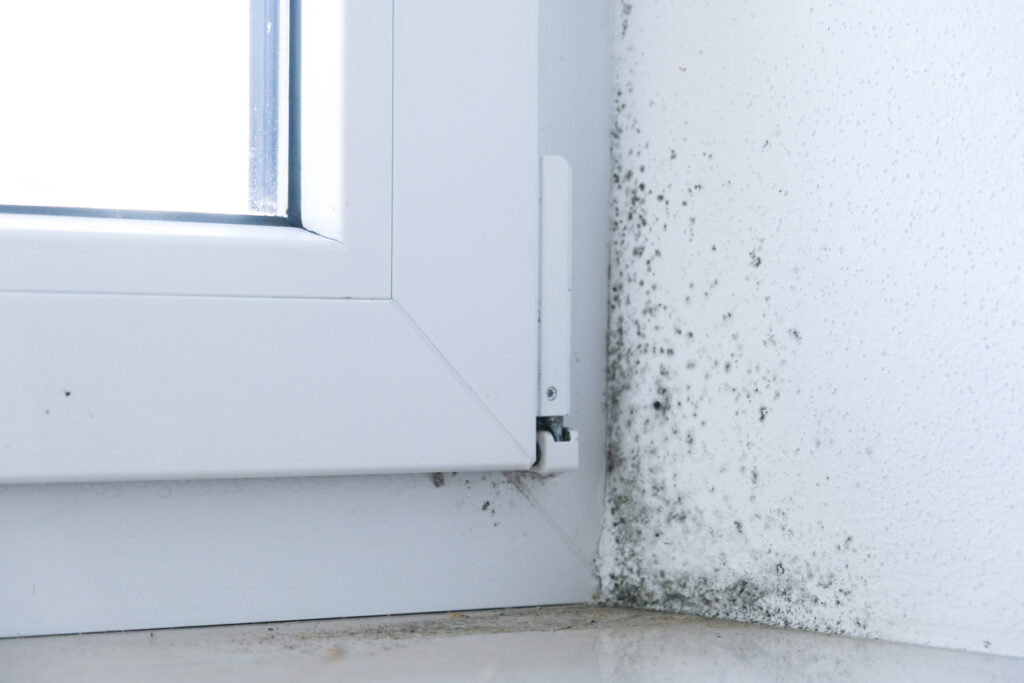
Mold is a type of fungus that grows on damp surfaces and releases tiny spores into the air. It loves to grow in places like basements, crawl spaces, bathrooms, and anywhere there are leaky windows or pipes. You might see it as black or greenish patches on walls, or you might notice a musty smell in closed-off rooms. The best way to stop mold is to control moisture—aim for 30–50 percent relative humidity with a dehumidifier—and fix any water leaks right away. Gregg Heating & AC offers dehumidifier installation services to help Wisconsin homeowners keep their indoor humidity stable and prevent mold from taking hold and affecting respiratory health.
Combined Dehumidification and HEPA Filtration for Mold Spore Reduction
Meteorological factors, such as relative humidity, directly correlate with airborne fungal levels both outdoors and indoors. While dehumidification alone is effective at reducing the moisture necessary for mold growth, it is insufficient as a standalone intervention because it does not remove viable and non-viable fungal spores, which are potentially allergenic. The objective of this pilot study was to investigate the efficacy of combining dehumidification with high-efficiency particulate air (HEPA) filtration in reducing airborne mold spore levels within daycare centers. Two daycare centers located within a 2-mile radius of each other were selected. Daycare center A was 2 years old and comprised eight rooms, while daycare center B was 15 years old and had six rooms. A high-efficiency Santa Fe dehumidification unit equipped with a HEPA filter was installed in half of the rooms (intervention group) in each daycare facility. Electronic HOBO data loggers continuously measured outdoor and indoor room dew point.
A pilot study to investigate the effects of combined dehumidification and HEPA filtration on dew point and airborne mold spore counts in day care centers., 2005
What Are Dust Mites and Pet Dander, and How Do They Affect Indoor Air?
Dust mites are tiny creatures that feed on dead skin cells and love to live in mattresses, furniture, and carpets. Pet dander is made up of tiny flakes of animal skin that become airborne when pets move around. For people with allergies or asthma, both can cause sneezing, a stuffy nose, itchy eyes, and breathing difficulties. High-efficiency particulate air (HEPA) filters can trap up to 95 percent of these allergens. Regular duct cleaning and changing your HVAC filters also help prevent them from circulating. Combined with frequent vacuuming and using allergen-proof bedding, these steps can significantly reduce allergens and make it easier to breathe.
Why Are Radon and Carbon Monoxide Dangerous Indoor Pollutants?
Radon is a radioactive gas that comes from the natural decay of uranium in the soil and can seep into homes through cracks in the foundation. It’s the second leading cause of lung cancer. Carbon monoxide is an odorless, colorless gas produced when fuel doesn’t burn completely in appliances like furnaces, water heaters, and stoves. Both gases pose serious health risks: radon can increase cancer risk over many years, while carbon monoxide can cause headaches, nausea, and even be fatal by depriving your body of oxygen. Using reliable detectors and ensuring proper ventilation or exhaust systems can help manage these risks. Professional indoor air quality testing from Gregg Heating & AC can identify high levels of radon or carbon monoxide and recommend the right solutions.
What Role Does Particulate Matter Play in Indoor Air Quality?
Particulate matter refers to tiny solid or liquid particles floating in the air. They come from activities like cooking, burning candles, using fireplaces, or even outdoor pollution that enters through vents. Fine particles (PM₂.₅) are especially concerning because they can go deep into your lungs, causing irritation, straining your heart, and affecting lung function. Installing whole-house air purifiers with advanced filtration can capture these particles before they spread throughout your home. Keeping up with HVAC maintenance and changing filters regularly ensures your system is working at its best to remove particles. By tackling particles along with chemical and biological pollutants, you can achieve truly clean indoor air.
What Are the Health Effects of Poor Indoor Air Quality?
Breathing poor indoor air can lead to a wide range of health problems, from minor discomfort to serious chronic conditions. Early signs often include irritation in your eyes, nose, and throat, along with headaches, dizziness, or fatigue. If you have allergies or asthma, exposure to pollutants like mold spores, dust mites, and pet dander can make your symptoms much worse. Long-term exposure to VOCs, radon, or fine particles might contribute to respiratory diseases, affect cognitive function, and even increase the risk of certain cancers. When ventilation is poor or humidity is too high, it can lead to sick building syndrome, where occupants feel generally unwell and less productive.
Here are some key health issues linked to indoor pollutants:
-
- Breathing Problems and Allergies – Often triggered by mold spores, dust mites, and pet dander.
- Immediate Symptoms – Such as eye irritation, headaches, dry throat, and dizziness.
- Sick Building Syndrome – A collection of vague symptoms experienced by people in a particular building.
- Long-Term Risks – Including worsened asthma and increased lung cancer risk from ongoing exposure to VOCs or radon.
Understanding these effects highlights why taking care of your indoor air quality is so important and why professional assessments are valuable.
How Can Homeowners Identify and Test for Indoor Air Pollutants?
Finding hidden pollutants involves a combination of looking around, using simple testing tools, and getting professional help. You can use portable VOC meters and moisture detectors to find areas with high chemical off-gassing or dampness. Mold test strips and humidity sensors can alert you to potential mold issues, while DIY radon kits and carbon monoxide detectors give you initial readings for these gases. For a complete picture, schedule professional indoor air quality testing in Waukesha. This provides accurate measurements of various contaminants and expert advice on how to fix them.
Here are common ways to detect and test for pollutants:
-
- VOCs & Chemical Pollutants: Use portable gas detectors and sorbent tubes.
- Mold & Moisture: Employ hygrometers and surface sampling kits.
- Radon & CO: Utilize certified radon test kits and UL-listed carbon monoxide alarms.
- Professional Assessment: Get multi-parameter IAQ testing from trained specialists.
Combining your own tests with Gregg Heating & AC’s advanced diagnostic tools gives you reliable information about pollutant levels and helps guide the best solutions.
What Are Effective Solutions to Reduce Indoor Air Pollutants?
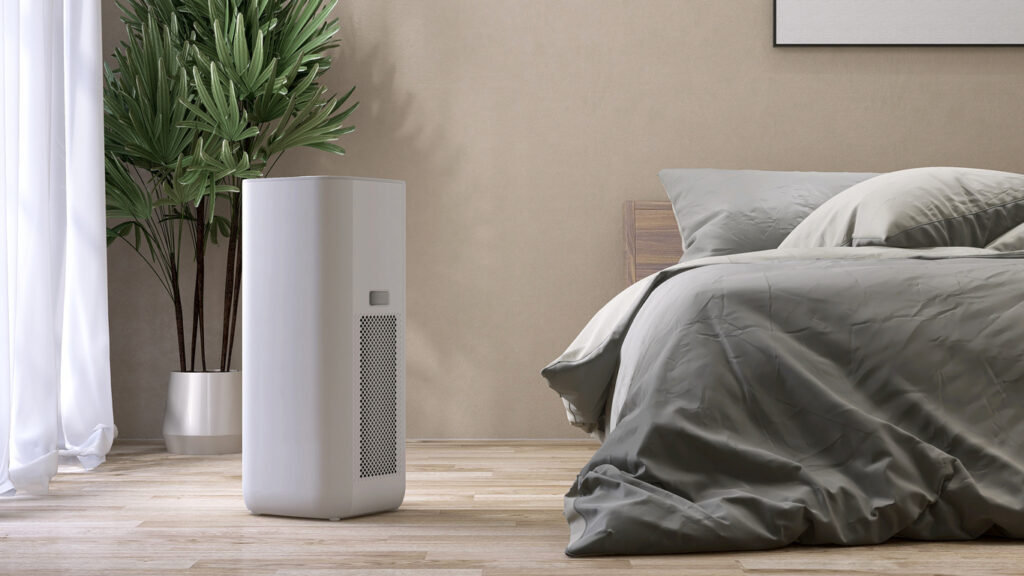
Effectively reducing pollutants means tackling them at the source, using air cleaning technology, managing humidity, and improving ventilation. Air purifiers with HEPA and activated-carbon filters can remove VOCs, allergens, and particles. UV-C light systems can be added to HVAC units to neutralize airborne germs. Humidifiers help keep the air moist during dry seasons, while dehumidifiers prevent mold growth in damp areas. Upgraded ventilation systems bring in fresh air efficiently, pushing out stale air and lowering pollutant concentrations. Regular HVAC maintenance, including filter changes and duct cleaning, keeps these systems working well.
Here’s a look at how different IAQ solutions help:
Using these solutions together creates a strong defense for cleaner, healthier indoor air.
How Does Gregg Heating & AC Support Indoor Air Quality in Southeastern Wisconsin?
With over four decades of HVAC experience, Gregg Heating & AC provides customized indoor air quality solutions for Southeastern Wisconsin, considering the local climate. They offer everything from whole-house air purifier installations to humidity control systems, addressing common issues like basement moisture and ventilation challenges specific to the region. Founded in 1974 with the principle “Do the job right the first time, and stand behind what you do,” the company provides 24/7 emergency service and free estimates, ensuring prompt help for your IAQ concerns.
Gregg Heating & AC’s main IAQ services include:
-
- Installing Air Purification Systems
- Setting Up Dehumidifiers and Humidifiers
- Designing and Balancing Ventilation Systems
- Cleaning Ducts and Performing HVAC Maintenance
- Offering Full IAQ Testing and Consultations
Their deep understanding of Waukesha and Milwaukee weather patterns means they provide solutions that work effectively all year round, combining technical skill with dependable customer service.
What Are Frequently Asked Questions About Identifying Common Indoor Pollutants?
Homeowners often look for clear answers about identifying and dealing with indoor pollutants. Common questions involve naming the top indoor air contaminants, exploring natural ways to improve air quality, managing dust mites and pet dander, detecting carbon monoxide and radon, and preventing mold. Here’s a quick rundown of these key topics:
-
- The five most common indoor air pollutants are VOCs, mold, dust mites, pet dander, and radon.
- Natural ways to improve air quality include using houseplants to absorb VOCs, opening windows, and controlling humidity.
- To manage allergens, vacuum regularly, use HEPA filters, and use allergen-proof covers on bedding.
- Detecting carbon monoxide and radon requires certified alarms and test kits.
- Preventing mold involves keeping humidity between 30–50 percent and fixing water leaks quickly.
Knowing the answers to these common questions can help homeowners take action and know when to call for professional help.
What Local Factors Increase Indoor Air Pollution Risks in Southeastern Wisconsin Homes?
The climate and typical building styles in Southeastern Wisconsin create specific indoor air challenges. High humidity in the summer can encourage mold growth in basements and crawl spaces, while cold winters often lead to tightly sealed homes that trap pollutants inside. Local soil conditions can increase radon risk, particularly in areas around Waukesha and Milwaukee with uranium-rich soil. As seasons change, HVAC systems cycling between heating and cooling can stir up accumulated dust and dander.
Here’s how seasonal changes can affect pollutants and what to do:
-
- Spring – More pollen can enter; clean filters and flush ventilation ducts.
- Summer – High humidity; use dehumidifiers to prevent mold.
- Autumn – Odors from decaying leaves might enter; schedule duct cleaning and replace filters.
- Winter – Less ventilation; adjust balanced fresh-air intake systems.
By being aware of these local factors and working with Gregg Heating & AC for proactive IAQ maintenance, homeowners can keep their indoor environments healthy all year long.
Gregg Heating & AC’s comprehensive approach to finding, testing, and reducing indoor pollutants gives Southeastern Wisconsin homeowners effective solutions designed for their specific area. Through advanced diagnostics, multi-stage filtration, humidity control, and optimized ventilation, families can protect their comfort and health. Getting a professional IAQ assessment leads to lasting improvements in air quality, helping residents breathe easier no matter the season.