
Furnace Pilot Light Troubleshooting Guide: How to Diagnose and Fix Common Issues
The pilot light is the tiny flame that starts the main burner on many older gas furnaces. Knowing what it does and why it matters is the first step to fixing heat problems safely. This guide walks you through how pilot lights work, common reasons they go out, and clear, safety-first steps to relight and monitor the flame. You’ll learn how thermocouples and gas valves work together, why drafts or a clogged orifice can snuff the flame, and which visual cues — like a weak or yellow flame — mean you should stop and call a pro. We cover why pilots go out, step-by-step relighting instructions, likely component failures and fixes, and when to contact a licensed technician. Practical lists and quick-reference tables make it easy to find what to do now and what to leave to a technician.
Good troubleshooting starts with system awareness and respect for the furnace’s safety interlocks.
Why Does My Furnace Pilot Light Keep Going Out?
There are a few mechanical and environmental reasons a pilot light won’t stay lit. Typical causes include a worn thermocouple, a clogged pilot orifice, drafts or pressure changes near the furnace, and intermittent gas supply or gas valve problems. Each of these interrupts the flame or the sensor that tells the gas valve to stay open. Sorting the issue into mechanical, airflow, or supply problems helps you decide whether a simple, safe fix is possible or whether you should call a pro. Below are the top causes and quick notes to help you triage the issue.
Common immediate causes and one-line next steps:
- Thermocouple Wear: Sensor isn’t sensing the flame — inspect and expect replacement if cleaning doesn’t help.
- Clogged Pilot Orifice: Dirt restricts the gas flow — gentle cleaning or professional service is usually required.
- Drafts or Pressure Changes: Air blows the flame out — find and seal drafts or check nearby venting.
- Gas Supply or Valve Issues: Gas flow is interrupted — check other gas appliances and call a technician for valve checks.
These quick checks point you to the safe relighting steps that follow or tell you when to stop and call a technician.
What Causes a Pilot Light to Extinguish Frequently?
Frequent outages usually come from airflow disruption or gradual wear in pilot components. Drafts from windows, attic fans, or dryer vents can blow out the small flame. A clogged orifice builds up soot and cuts the flame down. Mechanical problems include a thermocouple that’s coated, bent, or loose, pilot tubing leaks, or orifice wear that changes flame shape. Check for obvious drafts and soot before attempting cleaning; if the pilot keeps going out after simple steps, stop and schedule a professional inspection. Figuring out whether the issue is draft-related or component-related helps you prioritize sealing air leaks versus cleaning or parts replacement.
How Do Faulty Thermocouples Affect Pilot Light Stability?
The thermocouple is a small safety sensor sitting in the pilot flame that produces a tiny electrical signal to keep the gas valve open. If it fails, the valve shuts and the pilot goes out. Signs of thermocouple trouble include a pilot that lights but won’t stay on, shutdowns soon after relighting, or visible corrosion or heavy soot on the tip. You can check that it’s properly positioned in the flame and free of heavy deposits, but cleaning only helps sometimes. Because the thermocouple controls gas flow for safety, replacement by a qualified technician is the usual fix when it’s aged or damaged. Replacing a failing thermocouple stops repeated outages and prevents unnecessary wear on the furnace.
How Can I Safely Relight My Furnace Pilot Light?
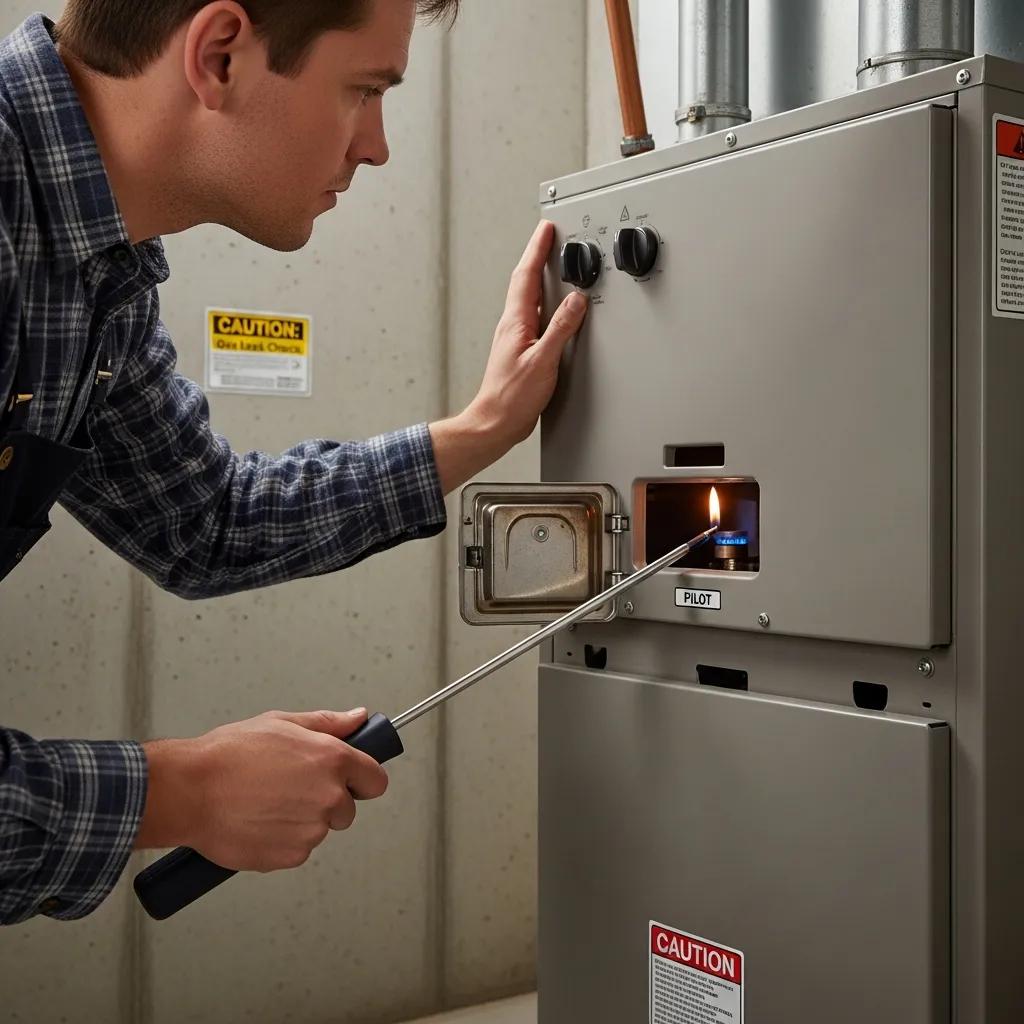
Relighting a pilot is simple if you follow safety-first steps: check for gas odor, turn off power, set the gas control to “pilot,” light the pilot while holding the reset per the manufacturer’s instructions, and only return to “on” when the flame is steady. If you smell gas, evacuate and call emergency services or your gas supplier immediately — do not try to relight. If there’s no gas smell and the area is well ventilated, follow the manufacturer steps: turn the control to “off” and wait, set to “pilot,” light and hold the reset for the recommended time, then move to “on” once the flame stays steady. If the pilot won’t hold or the flame looks weak or yellow, stop and contact a professional instead of repeating attempts.
Step-by-step safety checklist for relighting the pilot:
- Check for Gas Odor: If you smell gas, leave the home and call emergency services or your gas company.
- Switch Power Off: Cut furnace power at the breaker to prevent fans or controls from running while you relight.
- Shut and Wait: Turn the gas control to “off” and wait several minutes to clear any lingering gas.
- Set to Pilot and Light: Turn to “pilot,” light the pilot with a long lighter or the built-in ignitor, and hold the reset button for 30–60 seconds.
- Verify Flame and Restore: Confirm a steady blue flame, release the reset, set the control to “on,” restore power, and observe one full heating cycle.
After relighting, watch the furnace for a few cycles to make sure the pilot stays steady and the flame color looks right. If the flame won’t hold or it looks off, stop and call for professional help. For guidance or to schedule service, contact Gregg Heating & AC at (262) 782-1200. We offer 24/7 emergency service, service agreements to keep systems reliable, and financing options if needed for larger repairs or replacements.
What Are the Step-by-Step Instructions to Relight a Pilot Light?
Follow these steps exactly and never skip the gas-odor check. Turn the gas control to “off” and cut power to the unit, then wait five minutes to let any trapped gas clear. Set the control to “pilot,” aim a long match or lighter at the pilot opening (or use the furnace’s ignitor), press and hold the pilot reset while you light it, and keep the reset held for 30–60 seconds so the thermocouple can heat up and hold the valve open. Release the reset slowly, turn the control to “on,” restore power, and watch the system through at least one full heat cycle. A healthy pilot is steady and mostly blue. If the pilot won’t remain lit after correct attempts, stop and arrange a professional inspection to check the thermocouple, orifice, or gas valve.
When Should I Avoid Relighting and Call a Professional?
Don’t relight and call a professional if you smell gas, see a yellow or smoky flame, have repeated pilot outages, or if a carbon monoxide alarm sounds. A strong gas odor means evacuate and call emergency services or your gas supplier — do not attempt any relighting. Persistent outages after correct relighting steps usually mean failing components like thermocouples or gas valves that need testing and replacement by a trained technician. Yellow, sooting, or flickering flames suggest incomplete combustion and possible CO production; that needs a professional combustion check and repair. Knowing when to stop protects your household and gets the right help quickly.
What Are Common Furnace Pilot Light Problems and Their Solutions?
Pilot problems fall into repeatable groups: sensor failure, fuel delivery issues, combustion problems, and airflow disturbances. Each group points to different fixes — from cleaning to replacing parts. Start by observing flame color and stability, look for soot, feel for drafts, and confirm other gas appliances are working. If a dirty orifice or soot buildup is the issue, careful cleaning can restore proper flame shape and thermocouple sensing. If electrical or mechanical parts like the thermocouple or gas valve are failing, replacement by a trained technician is the safe solution. The table below maps common problems to symptoms and recommended actions so you can decide whether it’s a homeowner fix or a pro call.
This quick comparison helps you decide which issues you can address safely and which need a technician’s tools and testing. If you prefer preventative care, consider our service agreements to include pilot checks during regular tune-ups. For larger repairs, financing options are available to help manage costs while getting your system back to safe operation.
How Do Weak or Yellow Pilot Flames Indicate Furnace Issues?
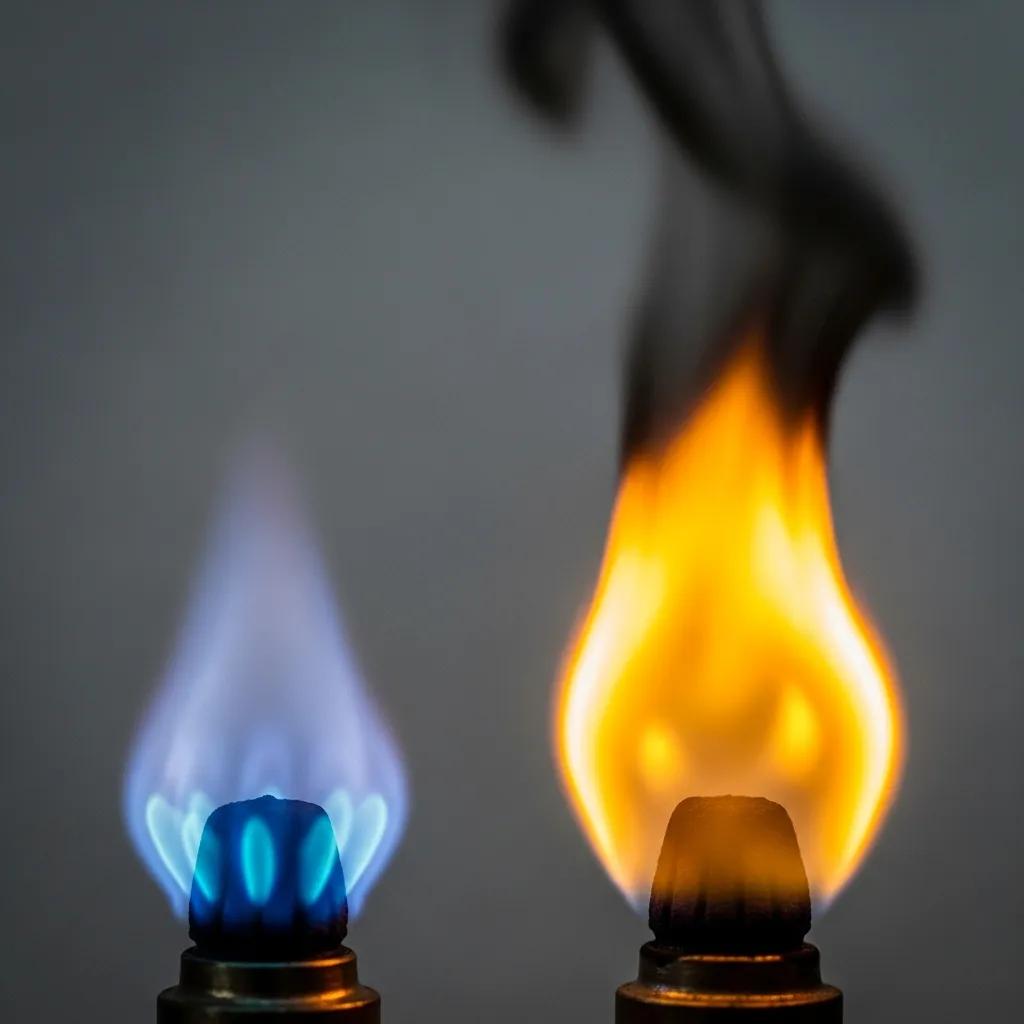
A healthy pilot flame is mostly blue and steady. A weak or yellow flame signals incomplete combustion, soot, and a possible carbon monoxide risk — and requires immediate attention. Yellowing can come from a contaminated air supply, a clogged orifice that changes the fuel-air mix, or a failing gas valve that affects pressure. If you see a yellow, sooty, or irregular flame, turn the furnace off, ventilate the area, and avoid relighting until a professional evaluates the situation. Incomplete combustion can create dangerous gases, so a professional combustion analysis and cleaning are the right next steps to restore safe operation.
How Can I Troubleshoot Pilot Light Not Lighting or Staying Lit?
Use a layered approach: start with safe, simple checks and move to professional diagnostics if needed. Confirm the home’s gas supply and that control knobs are set correctly. Inspect the pilot area for debris or soot — these steps fix many common issues. If cleaning and correct knob operation don’t work, check the thermocouple’s placement and look for damage; minor realignment can help, but a thermocouple that keeps causing shutoffs likely needs replacement. Call a professional when relighting attempts fail, you detect odors or abnormal flame color, or when gas pressure and valve tests are needed. Technicians can perform leak checks, combustion analysis, and certified repairs. Following this escalation route reduces risk and gets the right repair level for the problem.
When Should I Contact Gregg Heating & AC for Pilot Light Repair?
Contact Gregg Heating & AC when you see red-flag symptoms or when pilot problems continue after safe homeowner checks. Immediate signs include the smell of gas, repeated pilot outages despite correct relighting, a yellow or sooty flame, or a carbon monoxide alarm — all of which need prompt technician attention. We serve Southeastern Wisconsin with 24/7 emergency response, service agreements for preventative maintenance, free estimates for major repairs or replacements, and flexible financing options to help manage costs. When basic steps don’t restore a steady blue pilot flame, calling a licensed local HVAC company prevents repeated outages and ensures safety-critical components are handled correctly.
The following quick-reference table maps warning signs to immediate actions and recommended contact steps:
What Are the Signs That Require Professional Furnace Repair?
Call a professional for repeated pilot failures, yellow or sooty flames, gas odor, carbon monoxide alarms, or when diagnostics point to gas-valve, thermocouple, or control-board faults. These indicate unsafe combustion or failing safety components. Technicians can measure millivolt output, test gas pressure, and verify combustion efficiency. If you detect a gas smell or CO alarm, turn the unit off, ventilate and evacuate as needed, then call for immediate professional service. Gregg Heating & AC offers emergency response and service agreements to handle these situations quickly and prevent recurring problems.
How Does Gregg Heating & AC Support Southeastern Wisconsin Homeowners?
Gregg Heating & AC is a local team helping homeowners across Southeastern Wisconsin — including Waukesha, Milwaukee, and New Berlin — manage heating emergencies and routine maintenance. We take a customer-first approach with 24/7 emergency service for pilot light and furnace issues, free estimates for major repairs or replacements, and service agreements that include pilot system checks during tune-ups. We also offer financing options like KwikComfort Financing to make larger repairs or replacements more manageable. To schedule service, call (262) 782-1200 — our technicians prioritize safety, run proper diagnostics, and recommend either targeted repairs or preventative plans to keep your system dependable.
We also run regular special offers to help homeowners save on essential heating and cooling services.
- Emergency Assistance: Available 24/7 for gas-odor or combustion-related incidents. We respond quickly to keep your family safe and restore heat.
- Preventative Service Agreements: Regular maintenance catches pilot issues before they cause outages and extends furnace life.
- Flexible Financing and Free Estimates: Options to manage repair costs and plan replacements — we’ll work with you to find affordable solutions.
These services are designed to minimize downtime and keep your home safe, so pilot light issues are handled by qualified technicians rather than repeated DIY attempts.
This guide gives practical diagnosis tips, safe relighting steps, component-specific solutions, and clear signs for when to call Gregg Heating & AC, so you can act safely and confidently.
While this article focuses on gas furnace pilot lights, Gregg Heating & AC also provides full heat pump services for homeowners in New Berlin, WI, and the surrounding area. If you’re exploring alternative heating and cooling options, our team can help with expert installation and ongoing maintenance.
Conclusion
Knowing how your pilot light works and what to check can improve your home’s heating reliability and safety. When in doubt — especially with gas odors, unusual flame color, or repeated outages — call a licensed technician. For expert help or to learn more about our services, contact us. Your comfort and safety are our top priorities, and we’re here to help every step of the way.