

Complete Guide to Energy Efficient HVAC Systems and Savings
Lowering heating and cooling costs starts with making the right HVAC choices. This comprehensive guide is designed to help Southeastern Wisconsin homeowners achieve greater comfort while using less energy. It covers Energy Star certified systems, routine maintenance tips, practical upgrades, and available local rebates. If your utility bills seem high, informed decisions and the right changes can significantly reduce costs and enhance your home’s comfort.
What Are Energy Star Certified HVAC Systems and Their Benefits?
Energy Star HVAC equipment meets strict efficiency standards set by the U.S. Environmental Protection Agency. These systems use advanced technology to consume less energy while maintaining optimal comfort levels. The main advantages include lower utility bills and a smaller household carbon footprint, contributing to environmental sustainability.
Energy Star units typically feature higher-efficiency components such as variable-speed motors and smart thermostats that optimize operation and save energy. Many homeowners experience energy reductions in the range of 15% to 20% compared to older systems. Gregg Heating and AC installs and services Energy Star systems throughout Southeastern Wisconsin, enabling local homeowners to enjoy these savings.
How Do Energy Star Ratings Improve HVAC Efficiency?
Energy Star certification is based on performance benchmarks and metrics like SEER (Seasonal Energy Efficiency Ratio) for cooling and AFUE (Annual Fuel Utilization Efficiency) for heating. For instance, central air conditioners with a SEER rating of 15 or higher are considered efficient, while those below SEER 13 tend to consume noticeably more energy. Choosing Energy Star certified equipment ensures you are investing in proven efficiency and reliability.
What Savings Can Homeowners Expect from Energy Star HVAC Units?
The amount saved depends on the specific system, home characteristics, and usage patterns. Generally, Energy Star HVAC units reduce energy costs by approximately 10% to 30%. Replacing an older air conditioner with an Energy Star model can lead to meaningful annual savings on cooling expenses. Additionally, utility rebates and incentives can further enhance the overall value of these upgrades.
How Can HVAC Maintenance Tips Reduce Heating and Cooling Costs?
Regular maintenance is essential to keep HVAC systems running efficiently, prevent excessive energy consumption, and avoid costly breakdowns. Consistent upkeep extends the lifespan of your equipment and maintains optimal performance throughout the year.
Basic maintenance tasks include changing air filters regularly, cleaning ducts when necessary, and scheduling annual professional tune-ups. These actions improve airflow, enhance indoor air quality, and boost system efficiency. Gregg Heating and AC offers tailored maintenance plans and seasonal services to help homeowners maintain peak system performance.
Which Regular Maintenance Tasks Boost HVAC Energy Efficiency?
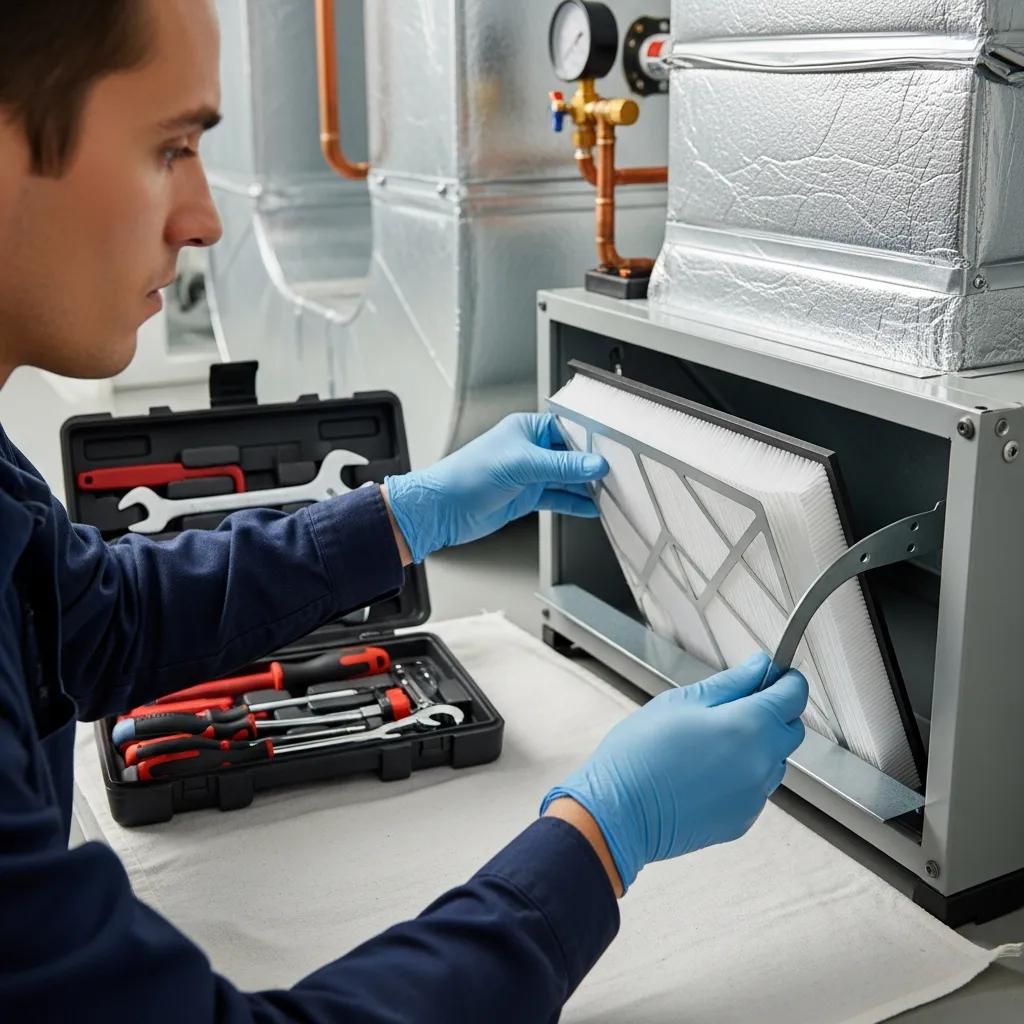
- Changing Air Filters: Replace air filters every 1 to 3 months to maintain steady airflow and reduce strain on your system. Clean filters not only improve energy efficiency but also enhance indoor air quality by trapping dust and allergens effectively.
- Cleaning Ducts: Perform duct cleaning when you notice visible dust buildup, mold growth, or pest infestations. Properly maintained ducts ensure efficient delivery of conditioned air and minimize wasted energy caused by leaks or blockages.
- Checking Refrigerant Levels: Maintaining correct refrigerant levels is crucial for cooling systems to operate as designed. Low refrigerant forces the system to work harder, increasing energy consumption and the risk of component failure.
Adhering to these maintenance steps helps your HVAC system run more efficiently and reduces overall energy use over time.
How Does Seasonal HVAC Maintenance Prevent Costly Repairs?
Seasonal inspections allow technicians to identify wear and minor issues before they escalate into major failures. They check for worn parts, refrigerant leaks, airflow restrictions, and other problems that could lead to expensive repairs if left unaddressed.
Routine tasks such as cleaning condenser coils prevent overheating and extend the life of your unit. Investing in seasonal maintenance reduces the likelihood of unexpected breakdowns and costly emergency repairs. Scheduling regular service ensures your system remains reliable throughout the year.
What HVAC System Upgrades Maximize Energy Savings?
Upgrading to high-efficiency furnaces, smart thermostats, and heat pumps can deliver significant energy savings and enhanced comfort. Each upgrade targets different components of your HVAC system and overall home performance. Selecting the right improvements depends on your home’s specific needs and local climate conditions.
Energy-efficient upgrades not only lower operating costs but can also increase your home’s market value. To explore the best options for your home and budget, contact us for a free estimate and personalized recommendations from Gregg Heating and AC.
How Do Heat Pumps Enhance Energy Efficiency in Wisconsin Homes?
Heat pumps transfer heat instead of generating it, making them highly efficient for both heating and cooling applications. Modern cold-climate heat pumps can operate effectively in temperatures as low as -15°F, making them a practical choice for Wisconsin homeowners. Installing a heat pump often results in lower energy bills and improved year-round comfort.
Contact Gregg Heating and AC to learn which heat pump options best suit your home and local climate conditions.
What Financing Options Support Energy-Efficient HVAC Upgrades?
Financing programs allow you to spread the cost of upgrades over time, making energy-efficient improvements more affordable. Utilities, local programs, and lenders may offer low-interest or deferred-payment plans to ease upfront expenses. Additionally, manufacturers and utility companies provide rebates and incentives that reduce the initial investment.
Explore our financing options and available incentives to find a plan that fits your budget. Gregg Heating and AC will guide you through financing and rebate opportunities to make your upgrades more achievable.
Where Can Southeastern Wisconsin Homeowners Find Local Rebates and Incentives?
Local and state programs offer rebates and incentives to encourage energy-efficient upgrades, helping to lower the cost of Energy Star equipment, insulation, and other home improvements. Checking with your utility providers and government programs is essential to discover current offers. Combining multiple incentives and rebates can substantially reduce your project expenses.
Which Local Programs Support Energy-Efficient HVAC Installations?
- Focus on Energy: This statewide program provides cash incentives for qualifying energy-efficient upgrades, including HVAC equipment. It supports homeowners in making cost-effective improvements that reduce energy consumption.
- Utility Company Rebates: Many local utilities offer rebates for installing Energy Star certified systems. Contact your utility provider to learn about current programs, eligibility requirements, and application processes.
- State and Federal Tax Credits: Eligible homeowners may qualify for tax credits on certain energy-efficient home improvements. These credits can help lower your overall tax liability while encouraging sustainable upgrades.
Gregg Heating and AC is available to assist you in identifying programs you qualify for and provide guidance on the application process.
How Do Service Agreements and Financing Plans Help Reduce Upfront Costs?
Service agreements allow you to spread the cost of routine maintenance over time, keeping your HVAC system running efficiently and reducing the risk of expensive emergency repairs. Financing plans enable you to pay for upgrades gradually, eliminating the need to cover the full cost upfront.
Consider our service agreements and financing options to make both upgrades and ongoing upkeep manageable. Our team will help you select the best combination to fit your budget and maintenance needs.
Talk with Gregg Heating and AC about plans tailored to your financial situation and system requirements.
This table summarizes the typical energy savings associated with common HVAC upgrades, helping you compare options when planning your home improvements.
Take the Next Step Toward Energy Efficiency and Savings
Understanding how efficiency, maintenance, upgrades, and incentives work together is essential to lowering your energy bills and enhancing home comfort. At Gregg Heating and AC, we combine local expertise with experienced installation and service to help you maximize your system’s performance and savings potential. Reach out to our team for personalized advice, free estimates, and expert guidance on the best path to energy savings and year-round comfort in your home. Contact Us Today